Pest Control: Powerful Techniques to Secure Your Dwelling and Venture
Pest Control: Practical Plans to Protect Your House and Company
Primer to Pest Control
Pest Control refers to the management or organization of life forms designated as pests – life forms that negatively impact people's actions or environments. In New Jersey, a place where numerous habitats join urban-adjacent and city growth, effective Pest Control is not just a nonessential but a crucial element for sustaining sanitary home and vocational spaces. From the widespread districts of Monmouth County to the connected neighborhoods of Matawan, pest invasions can trouble any person, independent of how clean or adequately preserved their house may be.
The significance of adopting successful Pest Control strategies should not be emphasized enough. For property owners, pests can wreck constructional soundness, pollute food resources, and constitute considerable health perils. Companies deal with these comparable obstacles, with the additional apprehension of standing harm and potential forfeiture of patrons if problems are located. Ordinary pests in New Jersey encompass small mammals like rats and mice, various insects such as ants, cockroaches, and bed bugs, and the exceptionally detrimental termites that can stealthily undermine a building's support structure.
Why Pest Control Matters
Health Perils of Pest Control Methods
Countless pests bear and spread illnesses that can impact people and pets. Small mammals are established hosts of hantavirus, salmonella, and leptospirosis. Cockroaches can cause asthma occurrences and hypersensitivity effects, mainly in young ones. Ticks, prevalent in New Jersey's woodland places, are infamous for spreading Lyme disease, while mosquitoes can pass on West Nile virus and Eastern Equine Encephalitis. Professional Pest Control aids minimize these health dangers by exterminating the root of these potential disease vectors.
Real Estate Damage in Pest Control
The constructional damage generated by pests can be significant and high-priced. Termites only generate over $5 billion in house damage yearly across the United States, with New Jersey homes being remarkably exposed due to the state's atmosphere. Vermin can chew through electrical cords, making fire perils, while their incessant chewing can destroy padding, pipes, and wooden architectural elements. Even outwardly non-threatening ants can weaken timber structures if left unmanaged, specifically carpenter ants which are typical in Monmouth County.
Economic Effects of Pest Control Services
Neglecting pest incursions can generate major budgetary outcomes. What possibly start as a minimal infestation necessitating simple management can promptly escalate into a large difficulty demanding comprehensive remediation. For organizations, mainly those in the food trade or tourism trades, pest problems can create unsuccessful health assessments, temporary stoppages, and permanent destruction to name and customer trust. Funding in normal Pest Control is not only about instant convenience—it's a extended pecuniary shield.
Pest Control: Usual Domestic and Firm Pests
Vermin (Rats and Mice)
When it regards identifying rodent outbreaks in your New Jersey home, carefulness is vital. You could detect droppings near food stocks, in cabinets, or under sinks. Gnaw marks on food containers, wood, and power lines are revealing marks of their occupancy. At evening, you may distinguish abrasive noises in partitions, overhead surfaces, or beneath floors as these evening organisms turn energetic. If you locate lairs made from torn paper, material, or arid plant matter, that's a evident signal rodents have set up themselves settled. Oily rub marks next to baseboards and surfaces materialize as rodents utilize the similar paths frequently, while your pets may present peculiar conduct such as yelping or scratching at places beneath instruments or pieces where rodents seek refuge.
Rats and mice in New Jersey homes and organizations present numerous menaces exceeding basic disturbance. They can contaminate food and preparation surfaces with pathogens present in their urine and feces. Their constant compulsion to munch can impair goods, especially cables, which forms fire hazards. In Matawan and encompassing vicinities, the Norway rat and house mouse are remarkably problematic, blooming in both built-up and peripheral surroundings. Potent Pest Control methods are vital to manage these destructive invaders.
Bugs (Ants, Cockroaches, Bed Bugs)
Arthropod invasions display themselves in numerous ways according to the type. Ant difficulties turn obvious when you notice noticeable ant trails going to food provisions, or when you detect diminutive mounds of ground or wood fragments made by carpenter ants. Cockroach incursions often exhibit themselves through dark feces looking like coffee grounds or black pepper, a particular musty fragrance that pervades contaminated locations, and the presence of egg coverings in concealed corners. Bed bug difficulties show up as rust-colored marks on mattresses and fixtures, shed skins near resting zones, small blood blemishes on sheets, and scratchy red protuberances on skin commonly placed in a succession or collection.
Arthropods represent the most different type of pests in New Jersey. Cockroaches can activate asthma and hypersensitivities while transmitting numerous infectious agents. Bed bugs, while not disease transmitters, inflict substantial pain, sleep hindrance, and affective torment. Special ant kinds, like carpenter ants common in Monmouth County's sylvan regions, can generate constructional deterioration similar to termites across time. Expert Pest Control services can identify exact insect types and execute aimed approach plans that tackle the special behaviors and fragilities of each pest.
Termites
Recognizing termite existence rapidly requires grasping the understated signs of their manifestation. You possibly perceive cast-off wings near windows and entries after swarmers have found a mate and instituted a new population. Mud tubes on outside walls, wood beams, or in crawl voids work as protected highways for these detrimental insects. Wood that reverberates cavernous when rapped shows termites have been gorging from inside. Entryways and openings that all at once stick may demonstrate deforming from termite injury, while broken or rising paint resembling water destruction often camouflages termite activity beneath. Detecting frass—termite waste comparable to little wood-colored pellets—delivers another verification of their unwanted existence.
Termites create perhaps the most major structural menace amidst all ordinary pests. In New Jersey, the Eastern subterranean termite is frequent and particularly ruinous. These insects can persist unseen for seasons while inflicting widespread devastation to wood framework sections. Homes in Matawan and around Monmouth County, specifically older homes, are vulnerable to termite problems. The typical expense of term pest control.
Pest Control Protection Factors
Proper Utilization of Pesticides and Substances in Pest Control
While chemicals become essential in your pest control approach, emphasizing protection needs focus to numerous critical procedures that shield people, companions, and the ecosystem. Continuously review and comply with product guidelines precisely, as these legal instructions demonstrate thorough examination and governmental review created to reduce risks. Utilize the least effective quantity of chemical to reach elimination while minimizing unnecessary substance introduction into your home environment. Use substances only in zones stated on the label, eliminating improper applications that may cause unexpected hazards or decrease effectiveness. Use proper safety equipment as specified by chemical companies to eliminate personal interaction during application. House substances in their original packages with directions undamaged to maintain availability to safety details and eliminate mix-ups. Keep comprehensive documentation of all applications, writing down chemicals used, mixing rates, places treated, and dates of use for later use. Enable proper curing and airflow before reentering applied locations, specifically significant in New Jersey's weather where dampness can impact drying durations. Consider safer substitutes when effective, as advances in pest elimination have created many safer choices that retain efficacy while decreasing possible risks.
Protecting Pets and Kids Throughout Pest Control Treatments
Specific steps turn necessary when performing pest control procedures in homes with sensitive family individuals. Move companions while performing service and until spaces are dry to stop close exposure with wet chemicals or vapors that could generate harmful effects. Shield or relocate pet meals, water containers, and playthings before treatment to eliminate contamination that could lead to unintentional eating. Keep children's playthings apart from service areas, especially things that small kids might put in their lips. Disinfect and sterilize food making counters after application, even if they were not immediately applied to, to get rid of any remains that might have gathered during application. Hold children apart from serviced locations for the suggested period, extending this time for crawling babies who have increased close contact with ground and low spaces. Examine pet-safe and child-safe chemical choices when obtainable, as many contemporary formulations focus on particular pest biology while minimizing mammalian harm. Most crucially, advise expert applicators about the presence of companions, kids, or expecting household individuals before they develop treatment approaches, enabling them to modify approaches and substance options suitably.
Governmental Rules and Conformity with Pest Control
Pest control in New Jersey operates within a regulatory system intended to safeguard community health and the surroundings while maintaining successful pest management. The New Jersey Department of Environmental Protection manages pest management operations, requiring expert pest elimination companies to satisfy certain requirements. Businesses must use qualified specialists who have passed official examinations showing expertise in pest study, application procedures, and security guidelines. These organizations must keep correct coverage coverage shielding both their professionals and their patrons from possible losses or harm related to pest control operations. Strict guidelines govern product storage, movement, and elimination to eliminate natural pollution and unauthorized access. Professionals must provide Safety Data Sheets upon demand, detailing the characteristics and hazards of substances used in applications. Warning guidelines apply for particular uses, specifically in multi-unit buildings or commercial locations with multiple occupants. Thorough treatment documentation must be preserved, creating an review history of pest elimination activities. Also, only chemicals licensed for use in New Jersey may be lawfully used, making certain that regional environmental conditions and ecosystems have been considered in the licensing system. For commercial buildings in Matawan and throughout Monmouth County, further requirements may pertain depending on the field, particularly for restaurant service, health, and daycare buildings where pest elimination intersects with other general wellness aspects.
Environmentally-Friendly Pest Control Alternatives
Unified Pest Management (IPM) System
Combined Pest Management constitutes the premium standard in modern pest control, concentrating on long-term avoidance through a mixture of approaches that decrease ecological effect while increasing performance. The IPM method initiates with comprehensive examination and surveillance to pinpoint pest presence correctly, setting up foundation data about types found and number sizes. This leads to exact determination of pest types, guaranteeing control work target certain habits and weaknesses rather than applying generic treatments. Specialists determine threshold quantities that necessitate response, acknowledging that the simple detection of a small number of creatures does not automatically call for treatment if numbers stay beneath injurious amounts. When control grows essential, IPM uses multiple management methods in unity, generally starting with minimal-risk approaches and advancing only when needed. Within the procedure, professionals assess success and change techniques as appropriate, forming a responsive strategy reactive to evolving circumstances. Most vitally, IPM focuses on prevention over elimination, handling physical and ecological elements that encourage pest populations rather than only destroying active pests. Many pest control businesses in New Jersey supply IPM-based programs that coordinate with the state's push toward minimal-impact pest management methods, notably in delicate locations like schools, health institutions, and food manufacturing operations.
Chemical-Free Management Techniques
Productive pest control often integrates natural approaches that can fix or lower pest concerns without bringing products into the ecosystem. Mechanical blockades such as screens, entrance seals, and filling block pest access totally, dealing with the trouble at its beginning. Physical controls like snares and prevention systems eliminate existing organisms while blocking fresh entries. Organic approaches involving advantageous bugs and organisms introduce natural predators that attack specific organisms while keeping helpful insects safe. Management methods change the conditions to discourage pests, such as changing moisture routines to decrease dampness that draws particular creatures. Environment modification decreases refuge and nutrition options, making areas minimally attractive to undesired visitors. For specific insects like bedbugs, heat processes deliver highly effective elimination without chemical leftovers by raising temperatures beyond the temperature fatal threshold for all life periods of the target pest. Similarly, refrigeration methods for preserved product pests like grain bugs or kitchen pests can destroy infestations in nutritional items without harmful contamination. These approaches establish particularly useful in New Jersey's diverse locations, where distance to liquid areas, conserved wild zones, and heavy urban centers creates multiple situations where toxic minimization becomes desirable or necessary.
Sustainable Pest Control Control Solutions
The pest control field keeps to advance toward greater sustainable approaches that keep success while lowering ecological effect. Natural insecticides derived from plant substances like pyrethrum, neem oil, and natural compounds offer precise treatment with decreased duration in the nature. Living products including microorganisms, fungi, or viruses that focus on individual pest creatures provide precision that conventional wide-range chemicals cannot match. Development inhibitors that prevent pest reproduction by interfering with maturation phases offer lasting community limitation without direct harmful impacts on adult pests. Attractant tools that observe or interrupt pest reproduction assist identify when treatment becomes necessary and can prevent mating in some species. The field increasingly uses minimal-impact substances with minimal surrounding impact, shifting away from conventional products with wider consequences on non-target species. Accurate application technologies that decrease overall product use administer treatments specifically where needed rather than broadcasting chemicals over large areas. Green qualification initiatives for pest control companies establish standards for naturally superior service and give customers with clear marking of providers committed to eco-conscious procedures. In ecologically delicate locations of New Jersey, featuring portions of Monmouth County with closeness to aquatic bodies, these green methods are especially important for preserving both human wellness and environmental habitats while nonetheless providing productive pest treatment.
Finding a Local Pest Control Service Provider in New Jersey
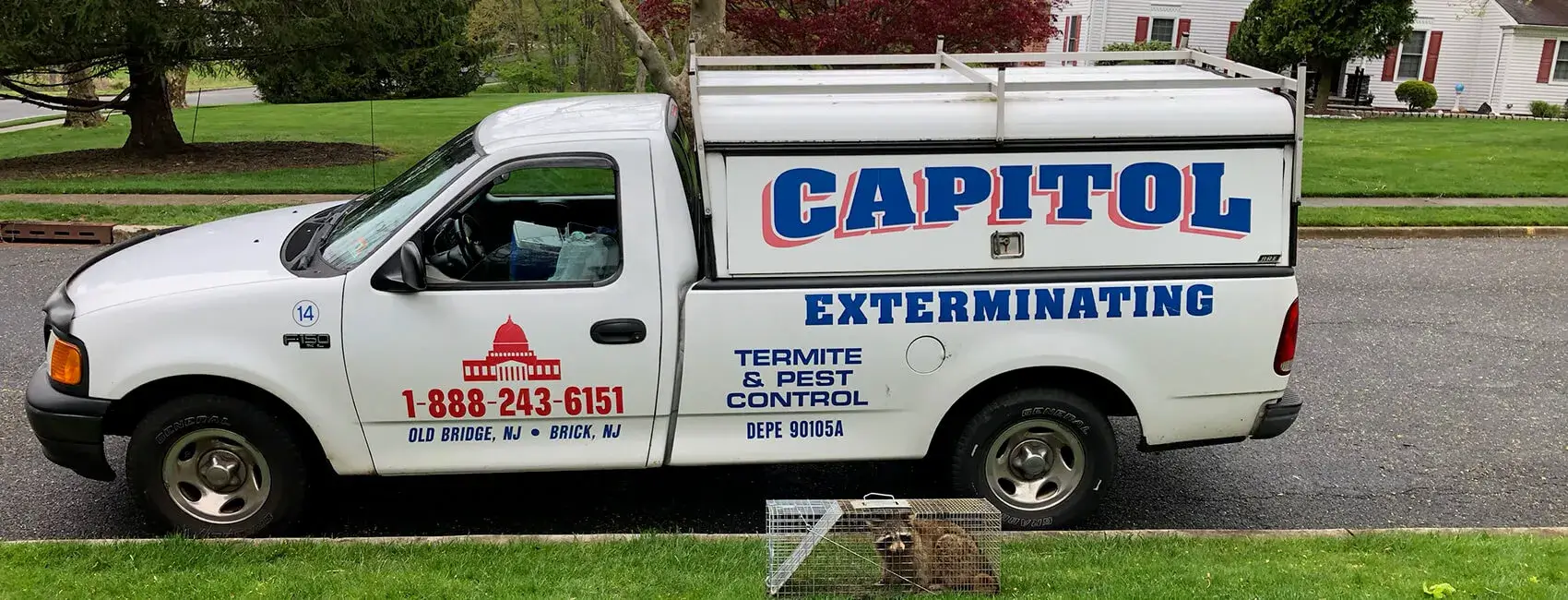
Capitol Exterminating System
272 NJ-34
Matawan, NJ 07747
(732) 441-1900
Often Inquired Inquiries (FAQs) about Pest Control
How often should pest control be carried out?
For the majority of New Jersey homes, quarterly pest control offers appropriate defense against cyclical pest pressures. This routine corresponds with the local distinct times, each bringing various pest problems that demand preventive consideration. Early season treatments generally tackle arising ant colonies and surviving pests turning active. Warm season treatments focus on mosquitos, ticks, and different winged creatures that flourish in heated conditions. Cool season services prepare residences for small mammals and sheltering organisms seeking protection as temperatures fall. Cold season applications maintain safeguarding against interior organisms while tackling rodent issues at its peak. Though, this timing may increase for properties with specific hazard conditions or active troubles that demand more rigorous management. Residences adjacent to wooded areas in Monmouth County may profit from extra tick and mosquito procedures throughout high cycles. Homes with record of specific pest problems regularly need focused additional applications above the standard quarterly schedule. Commercial buildings, specifically food industry facilities in zones like Matawan, frequently require monthly attention to sustain agreement with health regulations and stop infestations that could hurt image and enterprise activities.
Is qualified pest control secure for pets?
When conducted appropriately, qualified pest control can be harmless for pets through cautious chemical selection and usage procedures that limit access. Today's focused treatment procedures and safer materials have markedly upgraded safety features against conventional pest control methods. Recent services commonly utilize products explicitly developed to have limited harm to mammals while remaining productive against designated creatures with different physiologies. Specialist technicians receive preparation in usage approaches that place materials in areas animals are unable to reach, such as interior cavities, openings and crevices, or beneath appliances. However, animals should be removed throughout service and until all procedures have cured totally, observing individual waiting periods proposed by the chemical company and technician. Fish tanks should be shielded and oxygen pumps disabled during treatment to avoid infection from suspended substances. Pet possessions including sleeping areas, playthings, and eating containers should be taken away or enclosed throughout service. Address any concerns with your pest control company, who can propose suitable waiting periods depending on the certain procedures utilized and modify methods for families with especially sensitive animals like birds or cold-blooded animals that may have separate bodily weaknesses than cats and canines.
What are the signs of a severe pest invasion?
Apart from seen organisms directly, several danger symptoms show likely serious invasions demanding quick pest control treatment. Uncommon smells commonly appear with big infestations – musty, oily scents may indicate rodents, while sugary, nutty odors at times come with German roach groups. Mysterious construction deterioration like falling floors, rising coating, or crumbling timber may reveal wood-destroying insect damage or carpenter ant invasions ruining support pieces. Peculiar activity within walls or upper spaces, specifically at nighttime, commonly show mouse and rat presence as these dark-active animals become active in concealed areas. Abundant debris appearing as minute debris beside wooden elements may in fact be excrement or droppings from lumber-eating insects. Some families experience puzzling wellness troubles like airway problems or itching that resolve when distant from house, likely indicating bug infestations impacting inside air condition. In New Jersey residences, specific care should be directed to underground and under-floor locations where moisture problems can sustain pest populations, particularly in established properties throughout Monmouth County where support openings and crumbling mortar supply numerous entry points. Locating several deceased creatures of the matching species suggests a greater group nearby, while oil traces beside baseboards indicate developed small mammal pathways with frequent movement.
Can I stop pests without pest control products?
Yes, various pests can be avoided through correct cleaning, prevention, and living space alteration without resorting to toxic treatments. The basis of alternative pest control commences with detailed exclusion work – filling openings, gaps, and access points that enable creatures to enter homes in the first location. Setting up entrance barriers, repairing damaged barriers, and sealing mechanical access points gets rid of common entry locations. Removing feeding options through correct nutrition containment in secure vessels, immediate cleaning of spills and crumbs, and consistent garbage removal markedly decreases lures that bring organisms into homes. Reducing moisture by correcting flowing water lines, upgrading air movement in moist areas, and addressing water removal issues eliminates the water origins multiple creatures need. Keeping a separation region near homes by cutting greenery, taking away leaf waste, and storing timber elevated and distant from buildings reduces hiding areas and access spots. Using mechanical obstacles like metal material or steel stuffing to block larger gaps provides permanent blocking for rodents and rodents. Frequent sanitation that involves suction cleaning openings and spaces takes away pest larvae and feeding particles that encourage pest growth. For existing infestations, however, some variety of management product may be essential to address confirmed problems, though numerous lower-risk options are available such as natural silica earth, boron compound, and pest-killing cleaners that offer lowered threat against standard substances.
What should I expect while having expert pest control application?
A expert pest control procedure usually starts with a complete evaluation to recognize pest types, penetration points, and favorable circumstances relating to the problem. The specialist should take effort checking both interior and external areas, directing special attention to kitchens, bathing facilities, underground areas, and boundary building supports where pest movement frequently focuses. Subsequent to this evaluation, the technician should detail their discoveries in detail and propose a service strategy adapted to your individual case, addressing both the intended creatures and the techniques suggested for managing them. You may get setup instructions before application, possibly involving shifting belongings, cleaning certain spaces, or protecting pets. During the application, the specialist will employ suitable chemicals to specific locations based on the pest types recognized, focusing on openings, spaces, and pest shelter zones rather than scattering services throughout complete spaces. They may install observation equipment like bug devices or attractant stations that assist follow advancement and offer continuing safeguarding. After finishing treatments, a specialist should describe any after-service precautions such as air movement needs, access times, or surfaces to sanitize. Before exiting, they should plan subsequent treatments if required for particularly difficult pests like bed bugs or German roaches that commonly need numerous services for total removal. Across this procedure, professionals should invite questions and supply obvious data about the products and approaches applied, showing their preparation and commitment to both effectiveness and safety.
Effective pest control is an vital component of maintaining clean, safe home and commercial spaces in New Jersey. From the humid hot months that bring mosquitos and parasites to the frigid times when rodents search for shelter inside, pest pressures continue a continuous problem for occupants and enterprises in Monmouth County and Matawan. By grasping usual creatures, applying preventive measures, and recognizing when to obtain expert help, building owners can protect their properties and the wellbeing of residents.
Taking a preventive strategy to pest control is always greater productive and economical than addressing to developed problems. Routine Capitol Exterminating System pest control services inspections, suitable preservation, and addressing tiny concerns before they expand can avoid the major expenses and interruptions related with major pest problems. When qualified assistance becomes required, deciding on a trustworthy, licensed pest control company who uses combined pest management strategies delivers productive outcomes with limited environmental impact.